

What is Culturally Responsive Evaluation?
Welcome to Insights & Opportunities: A Hub for Informal STEM Education! Insights & Opportunities is a twice-monthly newsletter for educators, administrators, legislators, and advocates who recognize the importance of informal STEM learning.
This newsletter is brought to you by me, Sarah Dunifon, and my team at Improved Insights. I’m a long-time STEM educator, researcher, and equity advocate. Along with my team, I now work on cutting-edge informal STEM learning research and evaluation.
Each edition of this newsletter offers exciting insights, resources, and opportunities for informal STEM learning professionals, including funding, jobs, professional development, informal STEM learning research, evaluation tips and resources, and so much more! We hope you find it valuable. Now, let’s get started.
What is Culturally Responsive Evaluation?
In this edition of Insights & Opportunities, Dr. Sarah Dunifon discusses culturally responsive evaluation (CRE), including how it differs from traditional evaluation, and how practicing CRE can lead to more ethical and inclusive results. To read the full article, check it out in our Insights. In the meantime, here’s a taste:
–
Culturally responsive evaluation (CRE) is an approach that centers on the fact that our work is influenced by culture and biases. While we’d like to think that evaluation is objective in nature, we’re all informed by our own lived experiences, positionality, identity, and cultural and societal inputs.
The benefits of practicing CRE are that it is more ethical, inclusive, and produces more valid works (“Culturally Responsive Evaluation,” 2015). And there are several key differences between traditional evaluation and CRE.
[...]
First, traditional evaluation positions the evaluator as the expert who should guide and make decisions in the evaluation process, whereas CRE knows that the program managers, audiences, and community members are best suited to know what will work best for their programs. In CRE, evaluators serve as facilitators for the work, and, similar to participatory evaluation, it is crucial that many voices get involved in the process.
Second, the design and implementation of the evaluation in CRE is collaborative and seeks to disrupt the traditional power dynamics (where the evaluator works in isolation). In CRE, the project team, audience, or even community members may play a role in evaluation design and data collection.
To read the full article, check it out in our Insights.
ii Updates
The new edition of Evaluation Insights, our column for the National Science Teaching Association‘s Connected Science Learning Journal, is now available! In Five Tips for Evaluating Formal/Informal Learning Partnership Programs, Dr. Dunifon offers context and five key tips for establishing a successful partnership program evaluation plan. The article link offers free access to a limited number of readers, and those already members of NSTA can access all journals for free.
60-Second Suggestions
Here are a few of our favorite things this month, usually pertaining to informal STEM education and evaluation, but occasionally some fun personal stuff, too.
This compilation from Carys Kunze, the American Alliance of Museums’ Research and Data Manager, reviews seven different research reports published in 2025 that center on the museum field. This quick review highlights key insights across a breadth of subjects, including visitor experience, workplace equity, trust in nonprofits and philanthropy, and others.
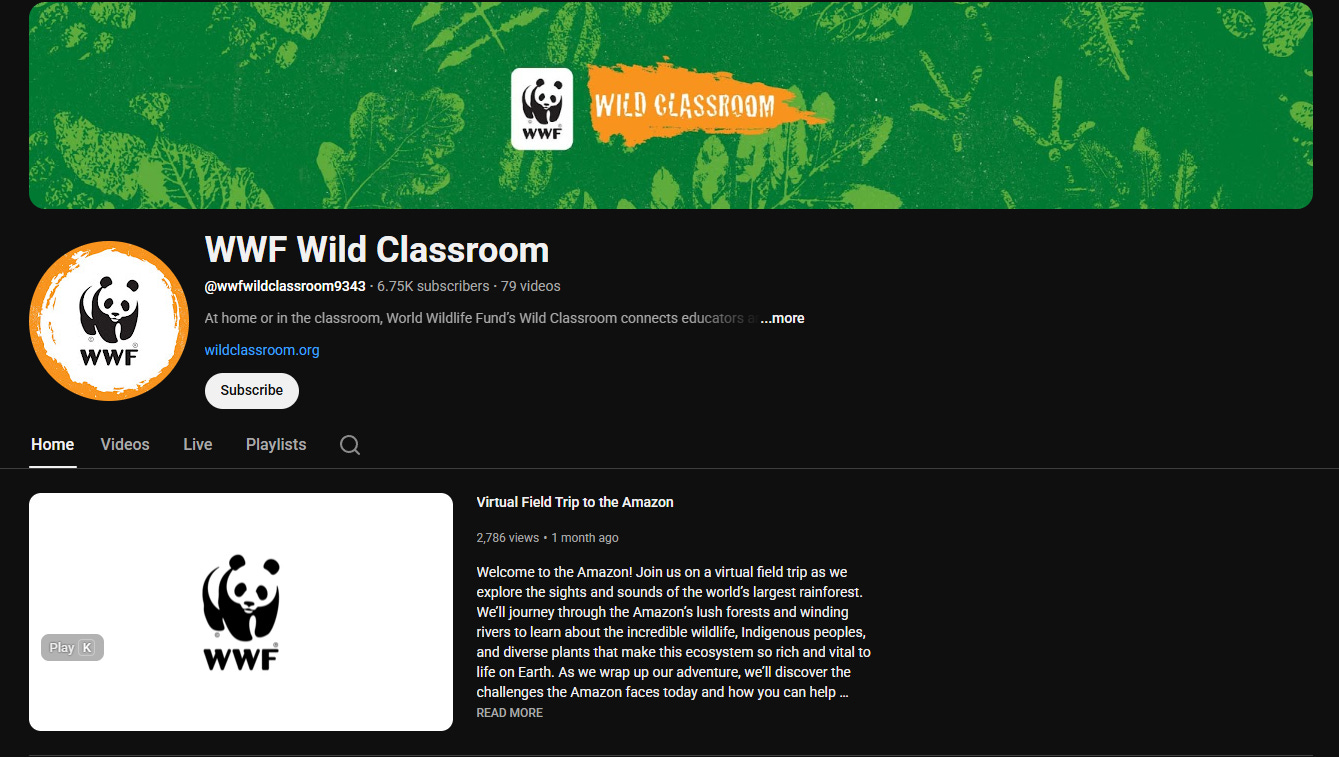
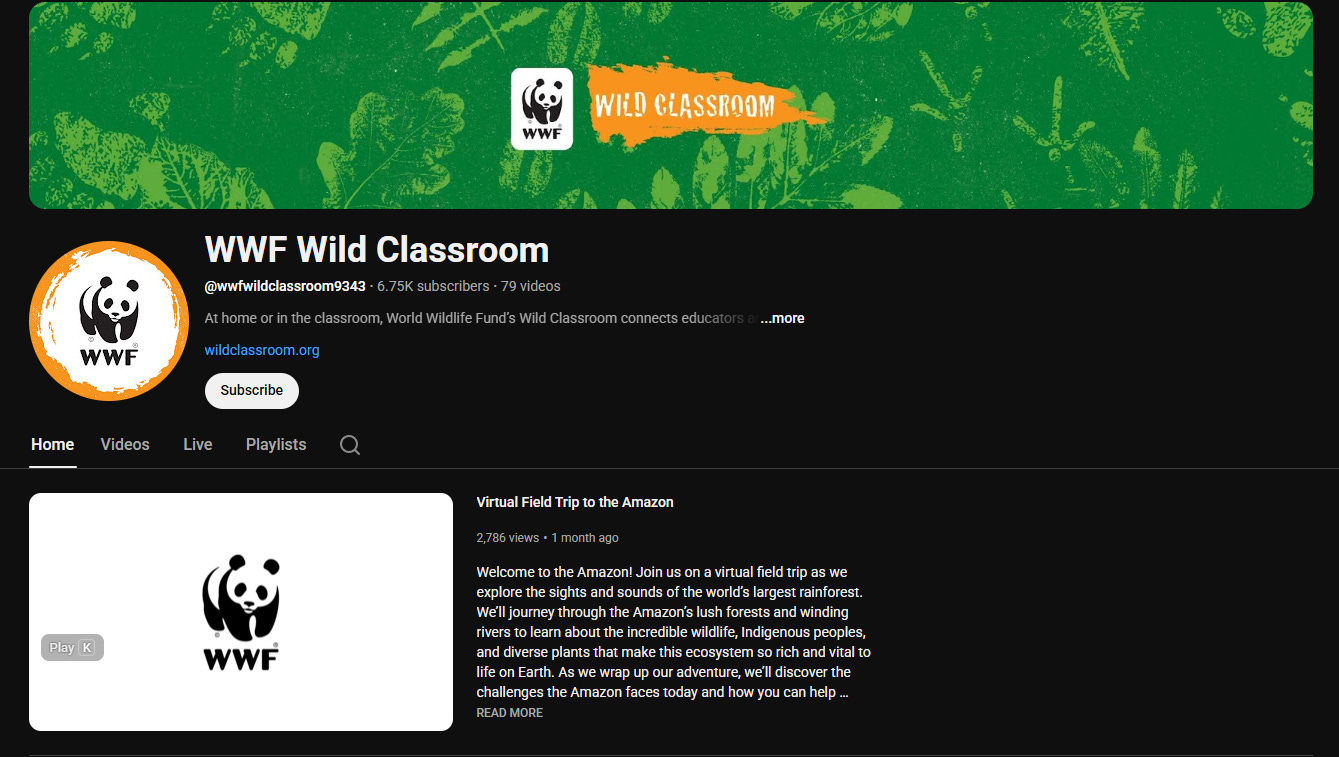
World Wildlife Fund’s Wild Classroom channel on YouTube hosts a variety of educational videos focused on wildlife, ecosystems, and conservation concepts. This virtual field trip explores the Amazon, its wildlife, Indigenous peoples, and the conservation challenges the Amazon faces today. This is a great indoor activity for those still stuck inside this winter.
Opportunities
Check out these new opportunities for the informal STEM learning community.

Funding:
2026 Grant Cycle, Impact100 Cleveland, $100,000. Nonprofits in the greater Cleveland area who are contributing to their communities through the focus areas of Education, Arts & Culture, Environmental Preservation & Recreation, Family, and Health & Wellness are invited to apply for funding. One applicant in each focus area will be selected. Expression of Interest is due on February 27, 2026.
Environmental Education (EE) Grants, Environmental Protection Agency (EPA), variable. U.S.-based nonprofits, local education agencies, colleges and universities, and others are invited to apply for funding to support environmental education projects that promote environmental awareness and stewardship and help provide people with the skills to take responsible actions to protect the environment. Applications are due March 3, 2026.
Frank Hadley Ginn & Cornelia Root Ginn Foundation, Cleveland Foundation, $5,000/$15,000. Grant proposals from organizations in the Cuyahoga County area are now open for efforts focused on education, including programs that promote academic success, social-emotional growth in students to help them excel in school, and in-school and after-school programs that supplement academic learning. Applications must be submitted by March 1, 2026.
UWorld Cares Community Grants, UWorld, variable. Nonprofit organizations in the Dallas-Ft. Worth metroplex (Collin, Dallas, Denton, Tarrant counties) are invited to apply for funding. Grants will be directed toward programs that support middle and high school education, with a special emphasis on STEM. Applications are due March 31, 2026.
ViaPath Foundation Impact Grant, ViaPath Foundation, up to $50,000. U.S.-based nonprofits are invited to apply for funding for programs that advance youth support, advocacy, and meaningful career pathways, helping individuals, families, and communities build brighter futures. This includes programs that expand access to education, training, and career pathways, opening doors to economic mobility, personal growth, and community stability. Applications are due February 20, 2026.

Jobs and Fellowships:
Director of Programs, Queens Botanical Garden (Flushing, NY), $110,000. The Director of Programs will be responsible for developing, leading, and overseeing all education and public programs for Queens Botanical Garden. They will work with staff to create innovative programmatic offerings, expand on the current suite of programs, and provide leadership of all program development and operations.
Education Internship Summer 2026, Nashville Zoo (Nashville, TN), $12.50/hour + $700 living stipend. The Education Intern will have the opportunity to gain experience in interpretation, developing and leading education programs, and learning about a variety of topics, including conservation, wildlife biology, botany, history, and park management. They will assist with all aspects of the Education Department and become familiar with conservation education best practices. Internship terms are 12-week, full-time positions.
Gottesman Learning Center Manager, American Museum of Natural History (AMNH) (New York, NY), $70,000. The Gottesman Learning Center Manager will create and deliver programs and learning experiences unique to the affordances of the Gottesman Research Library at AMNH. Working at the intersection of Education, the Library, and Science divisions, the Manager will identify relevant topics for public discussion and oversee a strategy to activate the rich resources of the AMNH Library for a broad and expanding audience.
Manager of Conservation Education, National Aquarium (Baltimore, MD), $64,000. The Manager of Conservation Education will manage the day-to-day operation of programming, including summer camps, high-school youth programming, multi-engagement programs, school programs, and scouting programs. They will develop, implement, and evaluate education programs and special initiatives, supervise staff, manage logistics of education programs, and collaborate with other departments.
Manager of Youth Leadership, National Wildlife Federation (hybrid - Atlanta, GA), $72,000.The Manager of Youth Leadership will support two programs in Greater Atlanta: Earth Tomorrow Atlanta and Eco-Schools U.S. They will engage schools and students in hands-on learning experiences that foster leadership development, environmental literacy, action-driven projects, civic engagement, career exploration, and a deeper connection to the outdoors.

Professional Development:
AZA 2026 Mid-Year Meeting, Association of Zoos & Aquariums (AZA), March 21-26, 2026 (Atlanta, GA). The Association of Zoos & Aquariums will host their mid-year meeting in Atlanta, GA, from March 21-26, 2026. During the meeting, zoo and aquarium professionals will learn and discuss issues critical to institutions through peer-developed program meetings, roundtables, and interactive workshops. Early-bird registration closes on February 20, 2026.
Inspire Momentum, STEM Next, June 15-17, 2026 (Orlando, FL). Join STEM Next for Inspire Momentum, a national gathering for afterschool innovators. Leaders and partners will convene June 15-17, 2026 in Orlando, FL, to examine the trends, insights, and innovations shaping the future of STEM learning beyond the school day.
NAAEE 2026: Imagine If…, North American Association for Environmental Education (NAAEE), October 6-9, 2026 (Portland, OR). NAAEE is seeking proposals for presentations for its 55th annual conference. The conference will be held in Portland, OR, October 6-9,2026. NAAEE is inviting proposals that speak to the overall theme, “Imagine If...” and that spark imagination and action, broaden participation and belonging, elevate promising and proven practices, and inspire creativity and leadership. Proposal submissions are due April 10, 2026.
STEM Learning Journeys, Verizon and STEM Next (virtual). In partnership with Verizon, STEM Next has launched a new set of online Learning Journeys to help afterschool educators more easily implement relevant, high-quality STEM learning in their programs. Lessons are designed to help educators engage young people in hands-on, meaningful STEM learning without extensive preparation or prior STEM expertise. Participants who complete the Learning Journey may be eligible for a stipend of up to $1,500.
Thanks for tuning in to this edition of Insights and Opportunities. While you’re waiting for the next edition, tell your friends! We appreciate you sending along a blog post you enjoyed, a job opportunity you think a friend should apply for, and resources you found valuable. Sharing this newsletter is the best way to support this work. Until next time - thanks!
